

Why we scope before we quote
You get a fixed price for your website, just not before we understand the job. Here's why we scope first, and what the fixed price covers once we do.
Fady Ilias
Director, Web Divine

A price on day one feels reassuring. Ask three agencies for a website quote after a ten-minute call and you'll often get three very different numbers. None of them is exactly wrong. They're guesses, because nobody has worked out what the job actually is yet.
We'd rather not guess with your money. So we scope the project first, then give you a fixed price for it.
What goes wrong with a guessed price
A quote written before anyone understands the work has to protect the agency from everything it doesn't know yet. That usually goes one of two ways:
- It's padded. Every unknown gets a contingency, and you pay for problems that may never show up.
- It's thin. The low number wins the job, then the project gets squeezed to stay profitable: fewer revisions, a template where you expected custom design, and a steady stream of "that's out of scope" emails.
Either way, the scope turns into something to argue over instead of something to build.
What scoping actually involves
Scoping covers the Discover and Blueprint stages of our process. Before we put a number on anything, we work out:
- What the site has to achieve. Leads, bookings, sales, applications, or something else entirely.
- The pages and templates it needs, and which of them are genuinely custom.
- The functionality. Forms, bookings, payments, logins, and integrations with your CRM or other systems.
- Where the content comes from. Who writes it, what already exists, and what has to move across from your current site.
- The timeline, including anything fixed in your calendar, like a launch, a campaign or the end of the financial year.
What the fixed price covers
Once the scope is agreed, you get a fixed price against it. The proposal spells out what's included, the stages it will be delivered in, and roughly when each one lands, so there's nothing to read between the lines.
If the brief changes partway through (it happens on good projects too), we price the change before any work starts on it. You decide whether it's worth doing. The number never moves without your say-so.
Why not just bill by the hour?
Open-ended hourly billing removes the agency's risk by handing all of it to you. You can't budget for it, and you can't compare one agency's hours with another's. A fixed price on a properly scoped project gives you a number you can plan around, and it gives us a clear brief to deliver against.
What it means for you
- You compare quotes on what's actually included, not on who guessed lowest
- There are no surprise invoices for work you assumed was part of the job
- You can still change direction; you just see the cost before you commit to it
- We're measured on whether the site does its job, not on how many hours it took
Scoping isn't there to slow you down. It's there so the price you're quoted is the price you pay.
Want a rough idea before you talk to anyone? Our website cost guide has typical Australian ranges and explains what pushes a project up or down. When you're ready for a real number, tell us what you're building.
Written by
Fady Ilias
Director, Web Divine
Fady Ilias is the director of Web Divine, a senior-led web design and development studio in Melbourne. He works hands-on with Australian businesses on conversion-focused websites, Shopify stores and custom web apps - senior people on every project, no junior hand-offs.
More about Web DivineKeep reading
More insights

How Much Does a Shopify Store Cost in Australia?
There's no single price for a Shopify store, but there are honest bands. Here's what drives the number up or down, and the ongoing costs most owners forget to budget for.

How Much Does a Law Firm Website Cost in Australia?
Lawyers dislike vague pricing as much as their clients do. Here are the honest indicative bands for a professionally built law firm website in Australia, and the factors that actually move the number.
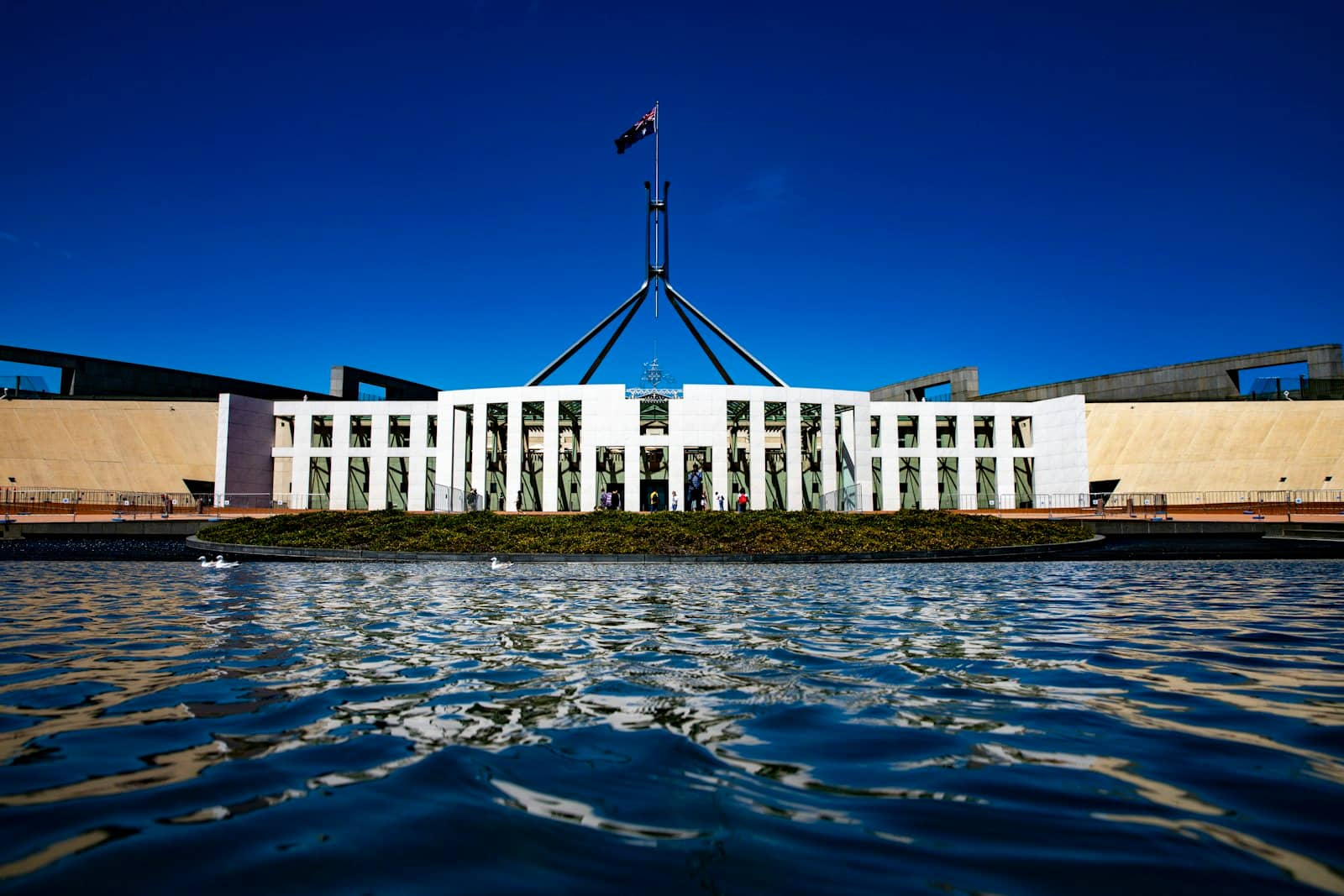
The draft tranche 2 privacy reforms: what they could mean for your website
The government's draft tranche 2 privacy reforms would reshape how websites use tracking pixels, consent, email marketing and customer data. Here is what is in the draft, what is missing, and the no-regret steps worth taking now.

















Let's talk about your project
Book a call with the people who would actually build it. You'll get straight answers on scope and timeline, and a fixed quote once the project is scoped.