

Allied Health Web Design
Allied health websites that fill your diary
We design and build booking-ready websites for Melbourne physio, OT, speech, podiatry, psychology and exercise physiology clinics - clear, credible and built to turn enquiries into booked sessions.
The evidence
How patients actually choose an allied health practice
Patients don't need a referral to book a physio or podiatrist, so they compare you directly. These are the numbers behind that comparison.
Registered physiotherapists grew 6.4% in a single year, to 47,761, and occupational therapists grew 7.4%. Patients have more practices to choose from every year, so the one that explains itself clearly has the edge.
Source: Physiotherapy Board and Occupational Therapy Board of Australia, annual summaries 2024/25
Australians who needed a psychologist delayed or went without because of cost. Fees, gap amounts and rebate rules belong on your site, not behind a phone call.
Source: ABS, Patient Experiences 2024-25 (25.3%)
Of Australians hold private extras cover, and insurers paid for 3.3 million physiotherapy services in a single quarter. “Can I claim on the spot?” is a booking question your site should answer.
Source: APRA, Quarterly Private Health Insurance Statistics, June 2026
The challenges
The challenges we solve for allied health
Filling the diary
Empty appointment slots cost you money every week. Your site should make booking effortless, not bury it three clicks deep.
Explaining what you do
Patients and referrers don't always know which service they need. Clear, plain-language pages guide them to the right practitioner.
Multi-practitioner clarity
Several clinicians, locations and specialties get messy fast. We structure your site so every service and team member is easy to find.
Referrals and rebates
GPs, NDIS plans and private health all feed your bookings. We make referral pathways, rebate info and funding options clear and reassuring.
Practice areas
Built for how your discipline's patients choose
A runner with a sore knee, an adult looking for a psychologist and a parent worried about their child's speech choose in completely different ways. We design for the patient your discipline actually has.
01
Physiotherapy
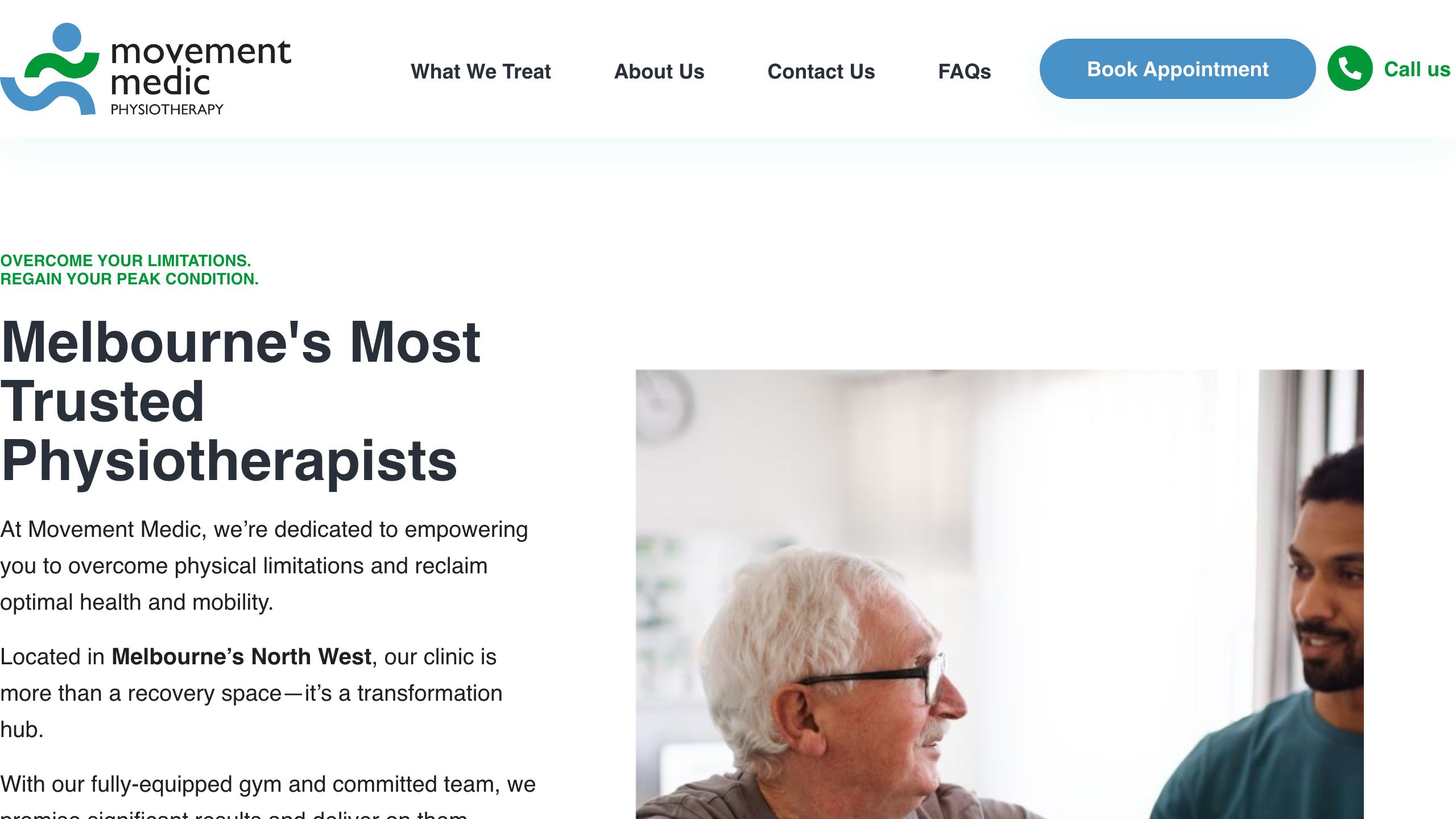
Self-referred and problem-driven: no GP referral is needed, so patients compare clinics on availability, location and whether they can claim on the spot. Condition pages that explain rather than promise, live online booking and clear health-fund details convert. For home-visit physio, where the first contact may be a family member or care manager, a referral-first path works better.
02
Psychology & counselling
Clients choose on fit, cost and privacy, and one in four who need a psychologist put it off because of cost. Profiles that describe each practitioner's approach, fees and Medicare rules stated plainly (a mental health treatment plan and referral, up to 10 individual sessions a year), telehealth and a discreet first step do the work. Titles matter here: “clinical psychologist” is an endorsement under the National Law, not a description.
03
Podiatry
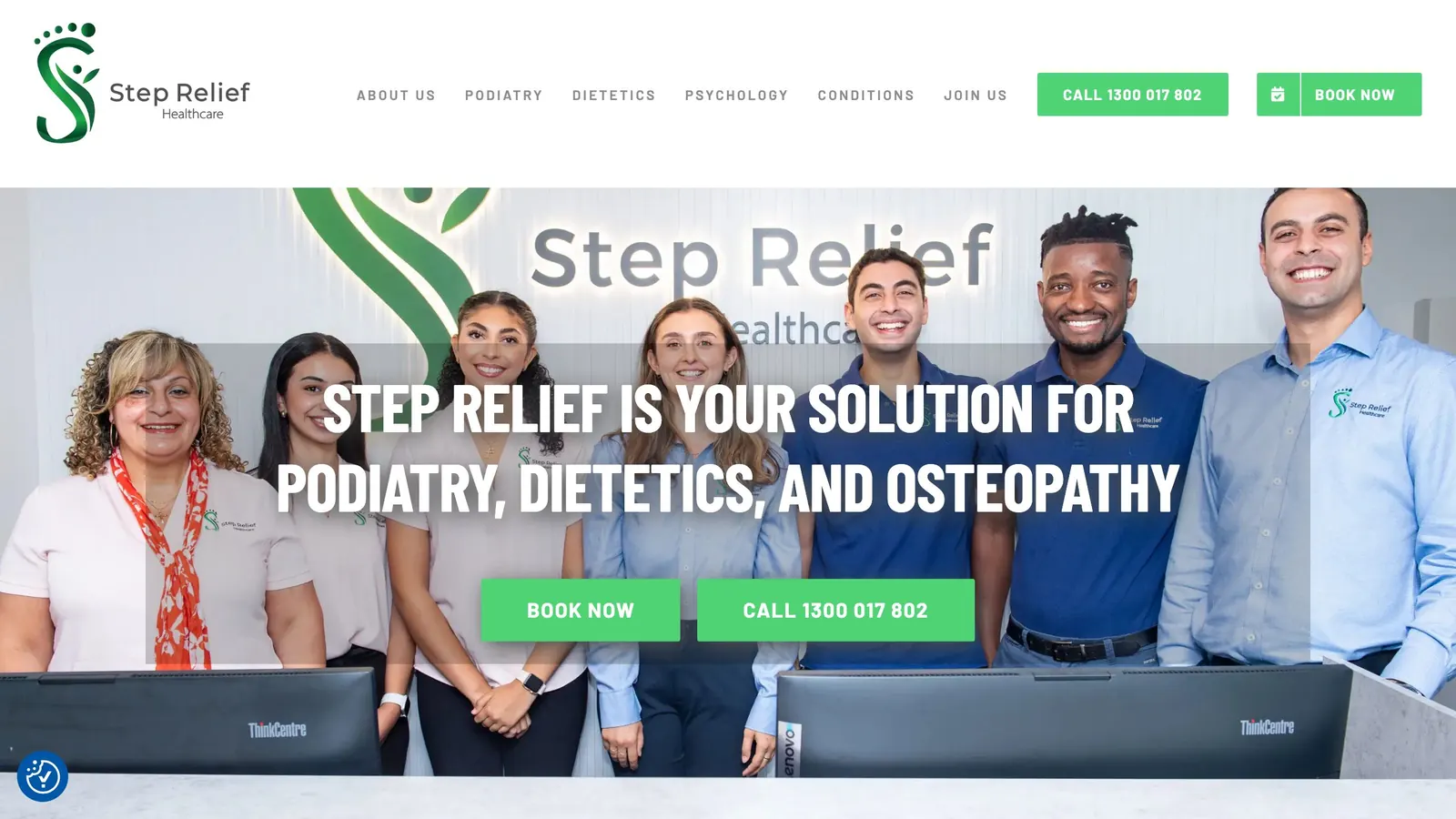
Patients search the problem (heel pain, an ingrown toenail, a diabetes foot check) and don't need a referral, though anyone claiming Medicare through a GP care plan needs the eligibility rules spelled out. Condition-led pages, clear health-fund information and booking by service win.
04
Paediatric OT & speech pathology
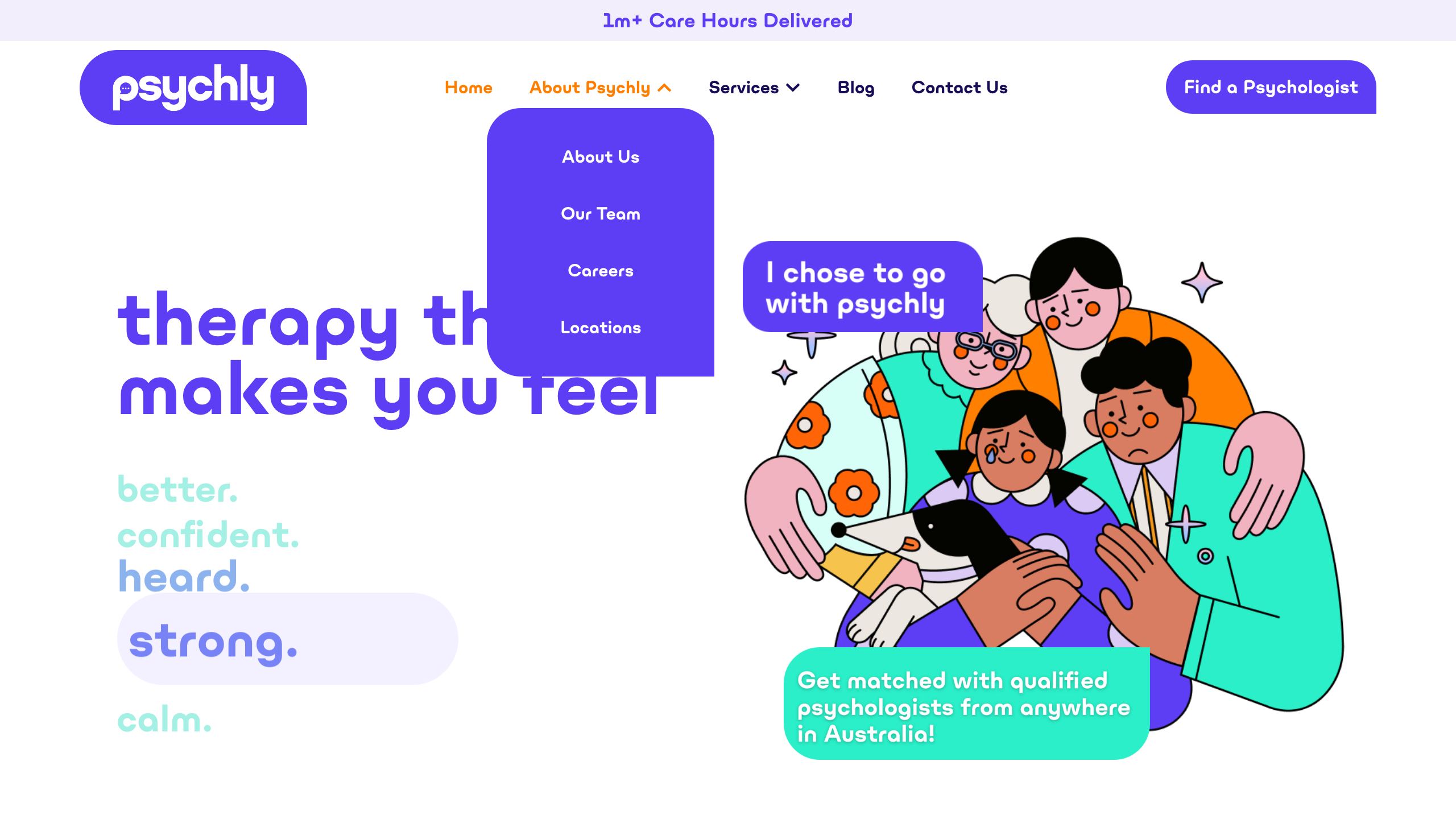
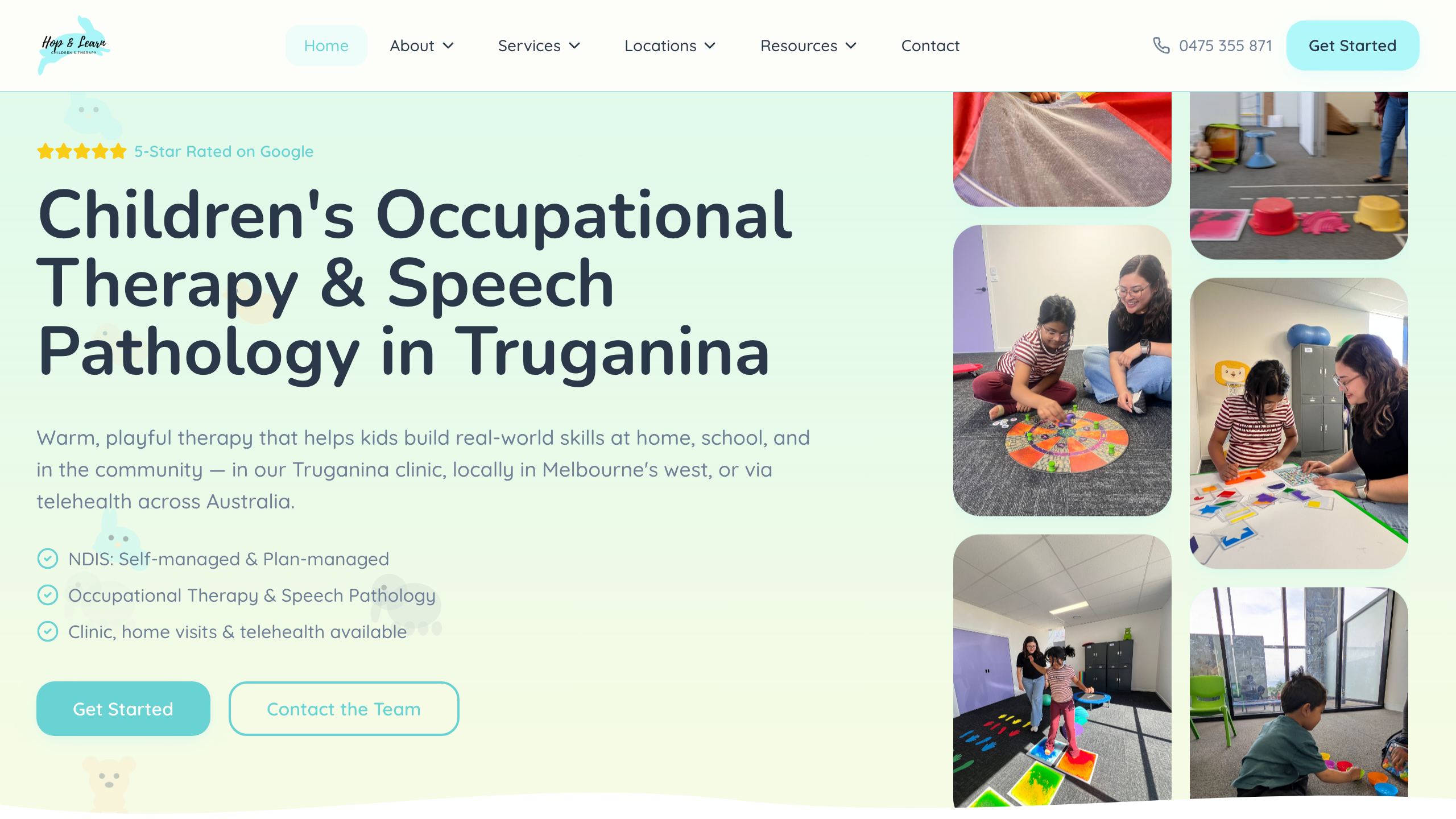
The decision-maker is a parent, and the first step is an intake, not a time slot. NDIS plan types, clinic, home and telehealth options, neuro-affirming language and a clear “no diagnosis needed” reassure anxious families. It's the brief behind paediatric practices we've built, such as Scribble Children's Therapy.
05
Exercise physiology & dietetics
Self-regulated professions where the credential is the conversion signal: AEP and APD status is what Medicare, the NDIS and health funds typically require before a patient can claim. Patients on a GP care plan need the eligibility rules spelled out. And in a practice with a registered physio or OT, the testimonial ban applies to you as well.
06
Multi-disciplinary practices
Several professions under one brand, sometimes under two rulebooks. Navigation by discipline and condition, booking per discipline, practitioner profiles with exact titles, and one compliance standard across the whole site, set by the strictest profession in the building, keep it clear for patients and safe for the practice.
How we help
How we help allied health clinics
Everything a modern clinic needs to attract, reassure and book new patients.
Compliant by design
We know which rulebook your profession plays by
Allied health runs on two rulebooks. Physiotherapy, psychology, podiatry, occupational therapy, chiropractic and osteopathy are AHPRA-registered, so section 133 of the National Law applies: no testimonials about clinical care, no unreasonable expectation of benefit. Speech pathology, dietetics and exercise physiology are self-regulated through Speech Pathology Australia, Dietitians Australia and ESSA, each with its own code, and the Australian Consumer Law covers everyone. In a mixed practice, the registered profession sets the bar for the whole site.
So we build to the strictest rule in your building. Titles are stated exactly: “specialist” and “clinical psychologist” aren't free to use, and CPSP, APD and AEP credentials are what funders look for. Condition pages explain and assess instead of promising results. Medicare, NDIS and health-fund information carries its conditions. And proof comes from credentials, real photography and ratings, never patient stories.
This is general web-design guidance, not legal or compliance advice. Obligations differ between registered and self-regulated professions and change over time, so confirm yours with AHPRA and your National Board, or with your professional association (such as Speech Pathology Australia, Dietitians Australia or ESSA), before publishing.
Why Web Divine
Why allied health clinics choose Web Divine
Patient-first design from a senior, Melbourne-based team that understands clinical practice.
Built for bookings
Every page is designed to move patients toward booking, with clear calls to action and frictionless intake.
Referrer-friendly
We make it easy for GPs and support coordinators to refer to you, with the information they need at hand.
Senior team, no hand-offs
You work directly with experienced designers and developers - no juniors, no outsourcing, no surprises.
Accessible and trusted
Clean, accessible design that reassures patients and reflects the professionalism of your practice.
Investment
What an allied health website costs
Every practice is scoped individually. The number moves with how many disciplines, practitioners and locations you have, your booking system and intake forms (GP, NDIS and self-referral), the condition and funding pages you need, and your accessibility requirements. We quote fixed, in writing, after a short conversation.
Melbourne
Allied health web design across Melbourne
From physio and OT clinics in the inner suburbs to multi-practitioner practices across greater Melbourne, we design websites that bring local patients through your door. We're based in Melbourne and proudly serve clinics across Victoria and all of Australia.

FAQs
Allied health web design questions, answered
Related reading
 Healthcare
Website requirements for Australian medical & allied-health practices
A practical checklist for clinic owners and practice managers - what a compliant, patient-first healthcare website actually needs, from AHPRA-aware content to accessibility and online bookings.
 Healthcare
 web design that fills your books
Traffic is not the goal - booked appointments are. Here is how conversion-focused healthcare web design turns clinic site visitors into patients who actually book.














Let's talk about your project
Book a call with the people who would actually build it. You'll get straight answers on scope and timeline, and a fixed quote once the project is scoped.