

NDIS & Disability Web Design
NDIS websites that are genuinely accessible
We design and build accessible, plain-language websites for Melbourne NDIS providers and disability services - WCAG-compliant, easy to navigate and built to earn the trust of participants, families and support coordinators.
The evidence
How participants and families actually choose a provider
We design against the scheme's own data, not hunches.
Of NDIS participants use a plan manager or self-manage some or all of their funding. For most of those supports they can choose a registered or an unregistered provider, so participants, families and coordinators compare before they commit.
Source: NDIA, Quarterly Report to Disability Ministers, Q4 2025-26 (6% fully NDIA-managed)
Providers were paid for supporting NDIS participants in the June 2026 quarter. Whoever is choosing has plenty of options, so the provider who explains itself most clearly gets the call.
Source: NDIA, Quarterly Report to Disability Ministers, Q4 2025-26 (active providers)
The gap between people with disability and people without on Australia's digital inclusion index, across access, affordability and skills. Plain language, light pages and phone-first design are the brief, not extras.
Source: Australian Digital Inclusion Index 2025 (ADM+S, RMIT, Swinburne, Telstra)
The challenges
The challenges we solve for NDIS providers
Accessibility done properly
Too many provider sites fail the people they serve. We build to WCAG standards so everyone can use your site, whatever their needs.
Plain, clear language
Complex jargon shuts people out. We write in plain language so participants and families understand your services straight away.
Building trust
Choosing a provider is a big decision. We design to reassure participants, families and support coordinators that you're the right fit.
Simple intake and referrals
Confusing enquiry forms cost you participants. We make referral and intake pathways clear, calm and easy to complete.
Anatomy of a winner
The anatomy of an NDIS provider homepage that earns referrals
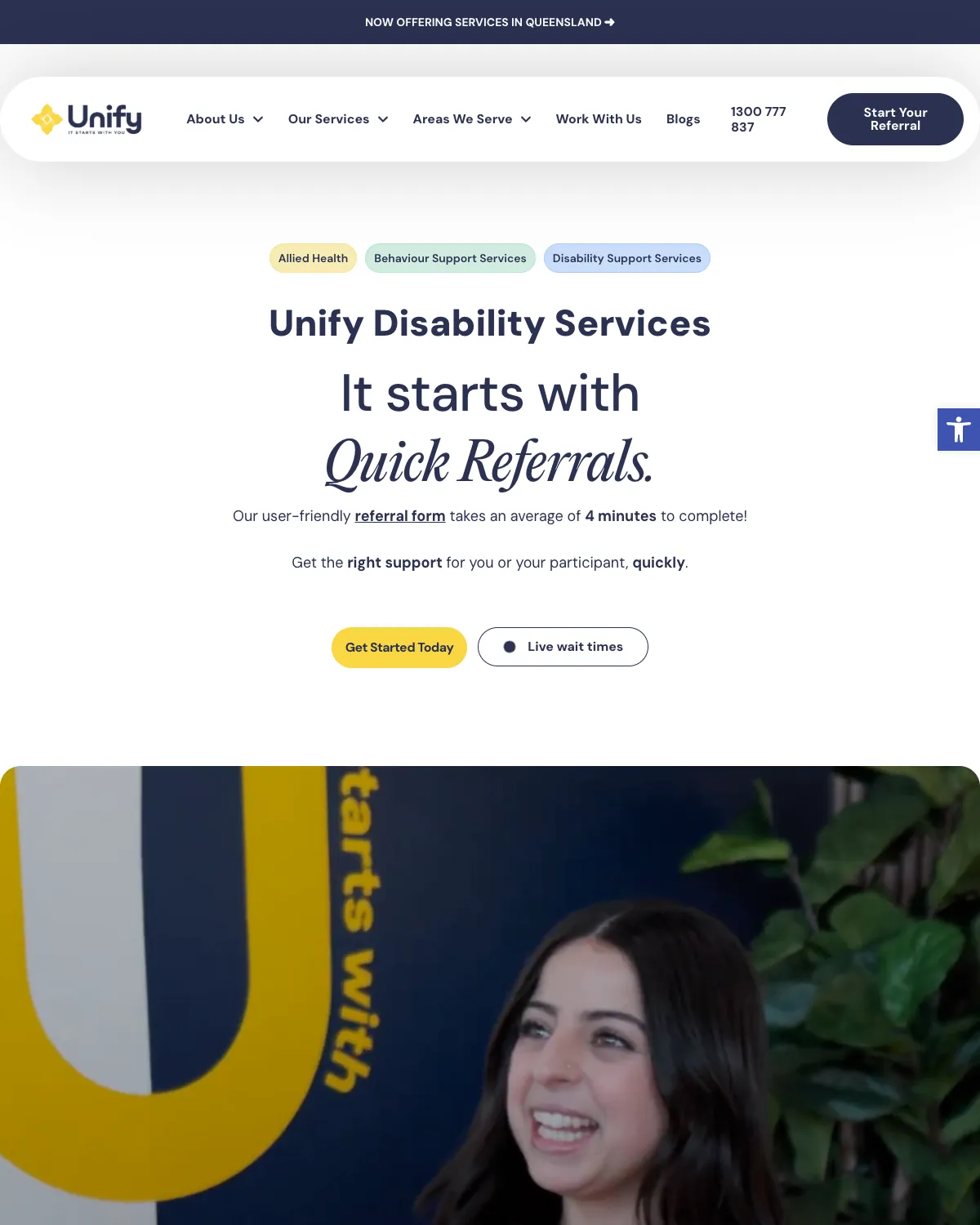
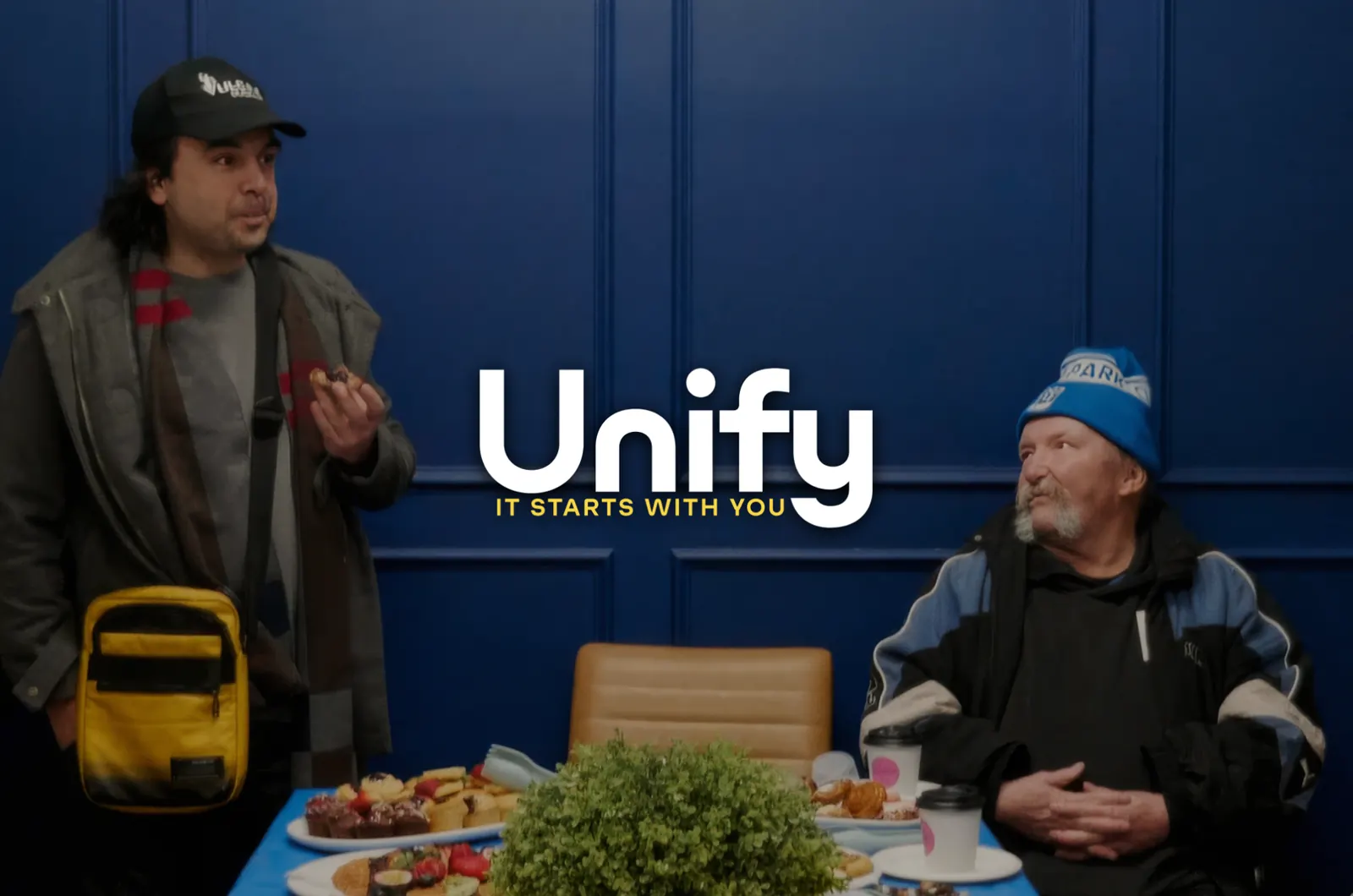
This is Unify Disability Services, a registered NDIS provider we built, offering allied health, behaviour support and disability support across Victoria, New South Wales and Queensland. Every element below is doing a job for two readers at once: the participant, and the coordinator or family member referring them.
Practice areas
Built for how your kind of provider wins clients
A parent looking for early intervention and a coordinator placing someone in supported independent living decide in completely different ways. We design for the decision your service actually involves.
01
Support coordination
Participants come to you because their plan feels hard to use, and referrals often arrive from local area coordinators, plan managers and other providers. Plain explanations of what coordination does and doesn't cover, visible response times, and an upfront conflict-of-interest statement if you also deliver supports (the Code of Conduct expects you to declare it) win the trust.
02
SIL & SDA accommodation
Families and coordinators search by vacancy, location and design category. Vacancy listings with real photos, floor plans, accessibility features and housemate information convert; a vague “enquire now” page doesn't. Registration is already required for SDA and became mandatory for SIL from 1 July 2026, so your status has to be stated exactly.
03
Early childhood & paediatric therapy
Parents are the buyer, and they research carefully before they call. Clinician profiles, plain explanations of each therapy, funding pathways kept separate, and a gentle, family-centred intake form do the work. Registered early childhood providers are also audited against their own Practice Standards module.
04
Plan management
Two audiences, one site: participants comparing plan managers, and providers who need to send you invoices. Clear fee explanations, invoice turnaround commitments, a simple switch-to-us form and a separate page for providers do the heavy lifting. Plan management requires NDIS registration, so it's the one claim you must get exactly right.
05
In-home & community supports
The most crowded corner of the market. Participants and families choose on worker matching (gender, culture, language, shared interests), consistency and availability in their suburb, so suburb-level service pages, a clear matching promise and an honest line on which plans you accept are what win. Unregistered providers can't take NDIA-managed participants, and the site should say so plainly.
06
Allied health under the NDIS
OTs, physios, speech pathologists, psychologists and behaviour support practitioners often serve NDIS, Medicare and private clients at once. Discipline-by-discipline pages, separate funding pathways and honest wait times convert, the way we built Unify Disability Services with live wait times by region and service. AHPRA's advertising rules apply to registered practitioners such as OTs, physios and psychologists, and specialist behaviour support requires NDIS registration.
How we help
How we help NDIS and disability providers
Everything a provider needs to be found, understood and trusted.
Compliant by design
We build for the NDIS rules your website sits under
NDIS marketing has its own rules. The NDIA owns the NDIS name and logo, and no provider may use that logo without written consent. Only providers registered with the NDIS Quality and Safeguards Commission may call themselves a “registered provider” or use the “I/we heart NDIS” logos with that tagline, and claims like “NDIS approved” or “100% NDIS funded” are off limits. The NDIS Code of Conduct binds registered and unregistered providers alike to act with integrity, honesty and transparency, and the Australian Consumer Law prohibits misleading claims on top of that.
So we write and build within those lines from the first draft: your registration status stated exactly, no borrowed NDIS branding, plain-language information participants can act on, a visible way to give feedback or make a complaint, and accessibility to WCAG 2.2 AA. WCAG isn't written into the Disability Discrimination Act, but the Australian Human Rights Commission's guidelines name it as the minimum to aim for. It protects your business, and it reads as trustworthy to the families and coordinators doing the choosing.
This is general guidance from a design studio, not legal or compliance advice. NDIS rules are changing under new legislation, and your obligations depend on your registration and the supports you deliver, so confirm them with the NDIS Quality and Safeguards Commission and the NDIA before publishing.
Recent work
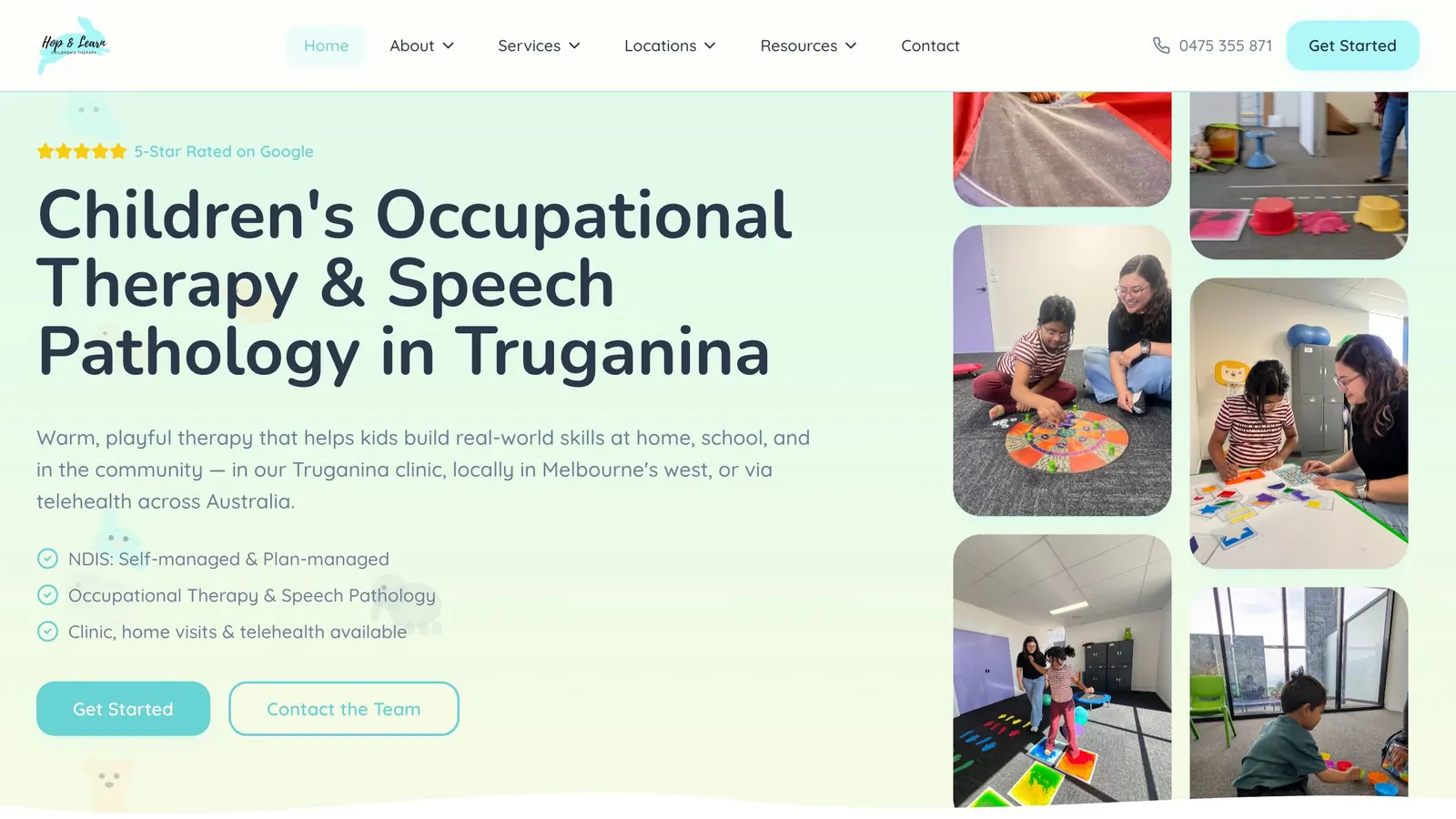
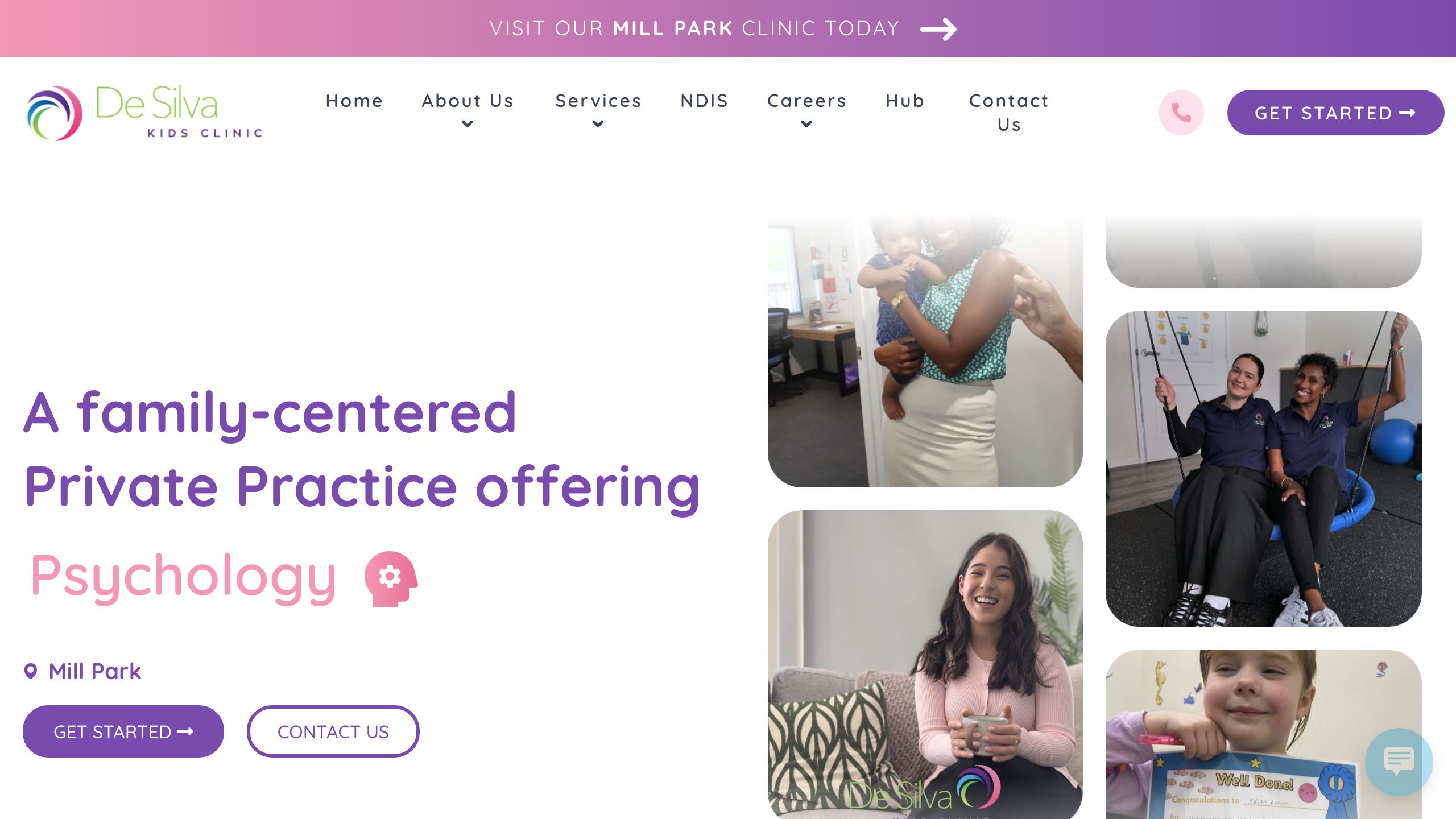
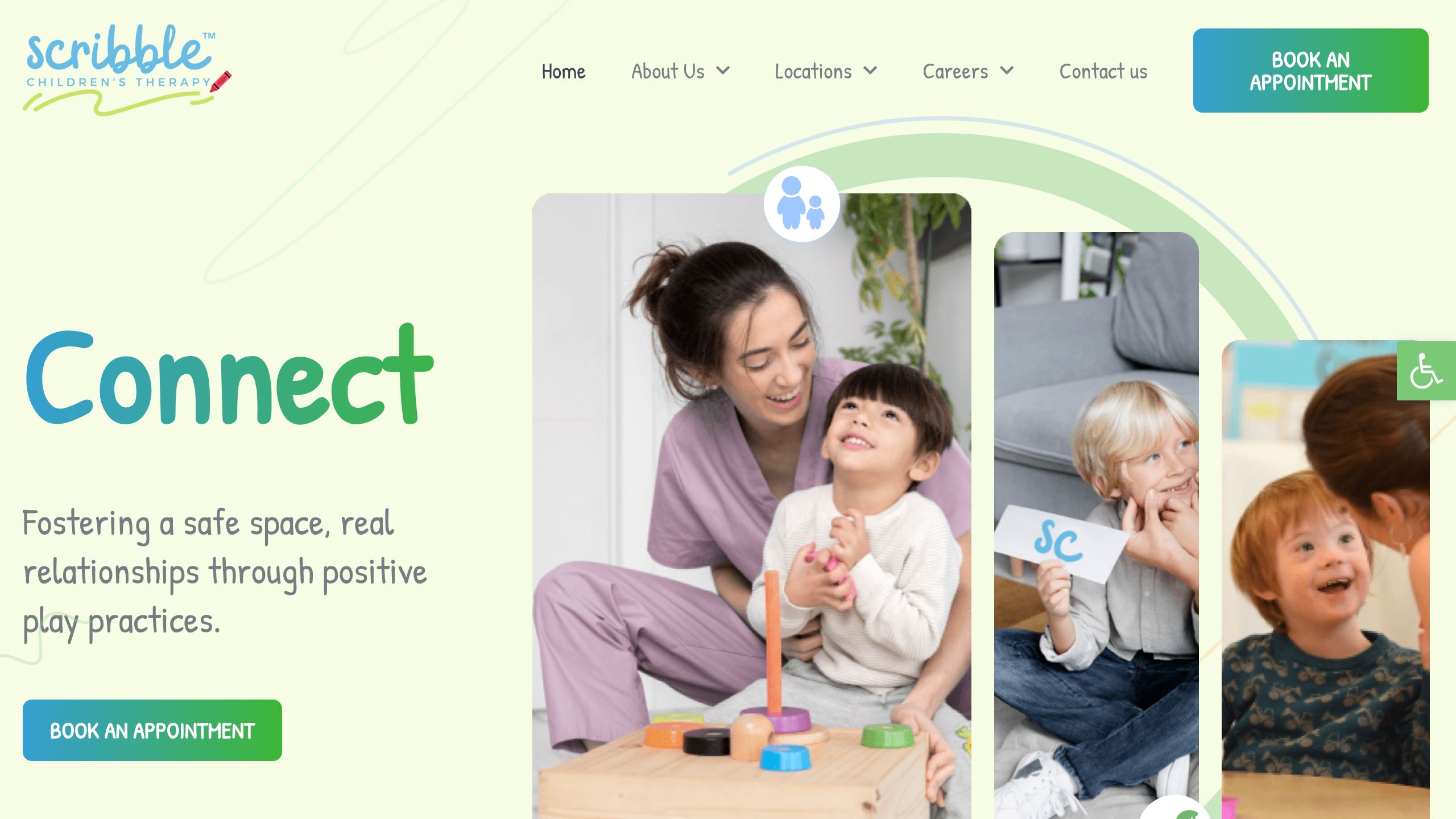
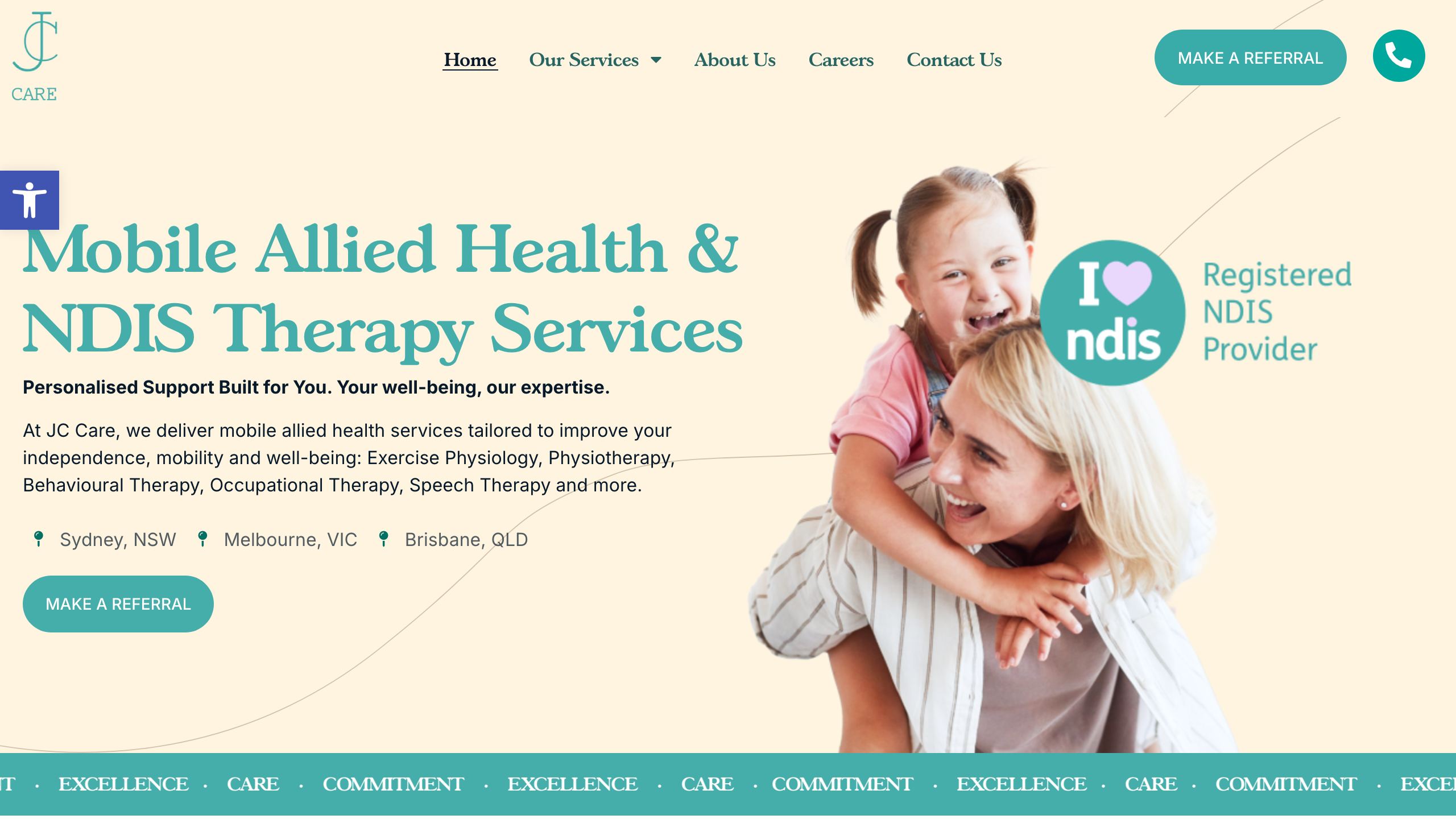
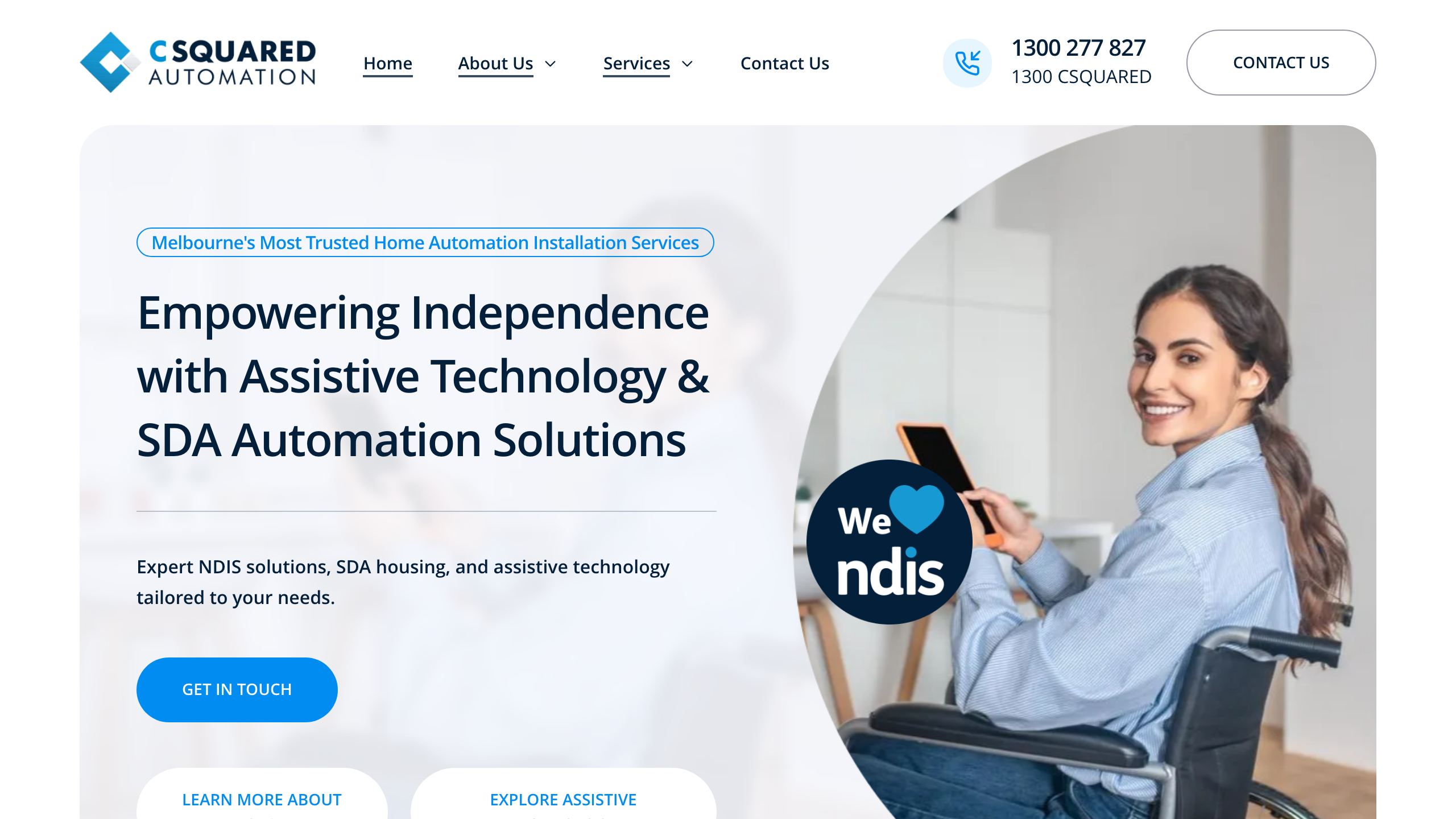
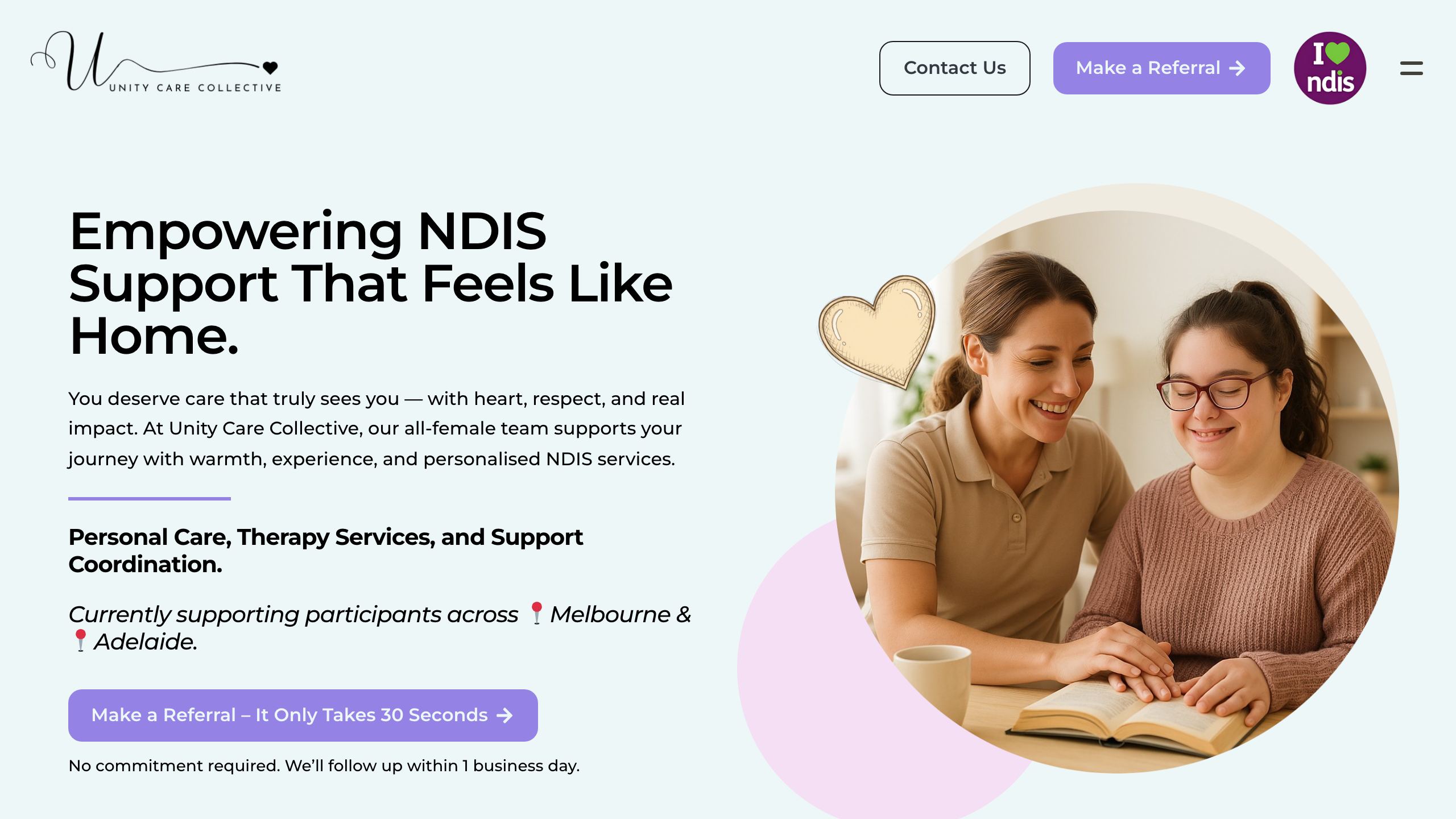
NDIS work we're proud of
Why Web Divine
Why NDIS providers choose Web Divine
Accessible, participant-first design from a senior, Melbourne-based team.
Accessibility built in
We design to WCAG standards from the start, not as an afterthought, so your site works for everyone.
Plain-language writing
Clear, calm, jargon-free copy that helps participants and families understand and trust your services.
Senior team, no hand-offs
You work directly with experienced designers and developers - no juniors, no outsourcing, no surprises.
Trusted by the whole network
Designed to reassure participants, families and support coordinators alike, so referrals keep coming.
Investment
What an NDIS provider website costs
Every provider is scoped individually. The number moves with how many services and regions you cover, referral and intake forms, vacancy or wait-time listings, content volume (including any Easy Read or plain-language versions), and how much accessibility testing you need. We quote fixed, in writing, after a short conversation.
Melbourne
NDIS web design across Melbourne
From support coordination and SIL providers to allied health and community participation services across greater Melbourne, we build accessible websites that connect you with the participants who need you. We're based in Melbourne and proudly serve providers across Victoria and all of Australia.
FAQs
NDIS web design questions, answered




Let's talk about your project
Book a call with the people who would actually build it. You'll get straight answers on scope and timeline, and a fixed quote once the project is scoped.